Alexandroupolis is a vibrant coastal city that serves as a bridge between East and West. With its rich history, modern infrastructure, and natural beauty, this dynamic city has become a key destination for tourists and a strategic hub for Greece.
Nature and Outdoor Activities
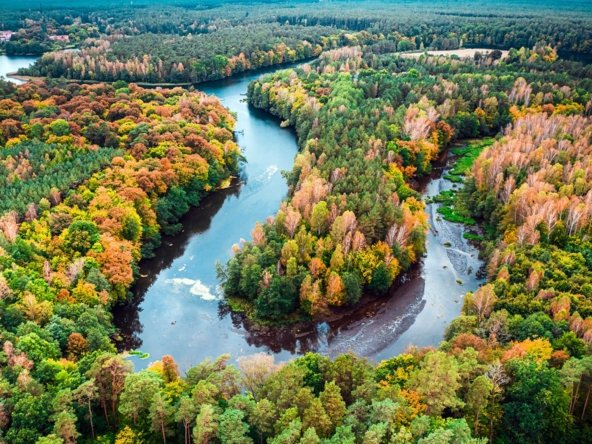
Surrounded by stunning landscapes, Alexandroupolis is a paradise for nature enthusiasts. The nearby Evros Delta National Park is a haven for birdwatchers, home to over 300 bird species, including flamingos and pelicans. The wetlands also support a wide variety of flora and fauna, making it an essential ecological site.
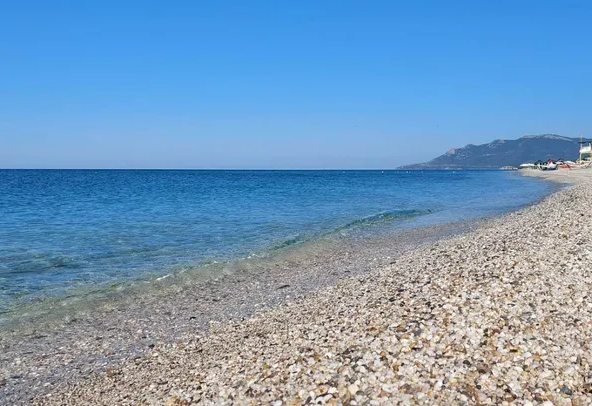
The pristine beaches along the Thracian Sea provide opportunities for relaxation and water sports. Whether it’s the organized beaches like Agia Paraskevi or more secluded spots, visitors can enjoy the crystal-clear waters and golden sands.
Gastronomy
The culinary scene in Alexandroupolis reflects its geographic location and multicultural history. Local dishes feature fresh seafood, often paired with Thracian wines and tsipouro, a traditional Greek spirit. Dishes like bougatsa (a flaky pastry with cream or cheese filling) and kavourmas (a spiced meat delicacy) highlight the region’s unique flavors.
Modern Alexandroupolis
Today, Alexandroupolis is a thriving urban center with modern amenities and a relaxed atmosphere. The city’s vibrant promenade, lined with cafes, restaurants, and shops, is a favorite spot for both locals and tourists. It combines the charm of a seaside town with the conveniences of a cosmopolitan city.
Geography and Strategic Importance
Alexandroupolis is located in the region of Eastern Macedonia and Thrace, near the border with Turkey and Bulgaria. Its position along the Evros River and the Thracian Sea has made it a crossroads of civilizations for centuries. Today, it functions as a key link between Europe and Asia, with a thriving port that facilitates trade and commerce.
The Alexandroupolis International Airport “Dimokritos” and its modern railway connections further enhance its role as a transportation hub. Additionally, the city’s proximity to Turkey’s borders makes it geopolitically significant, especially in NATO and EU defense strategies.
Cultural Heritage
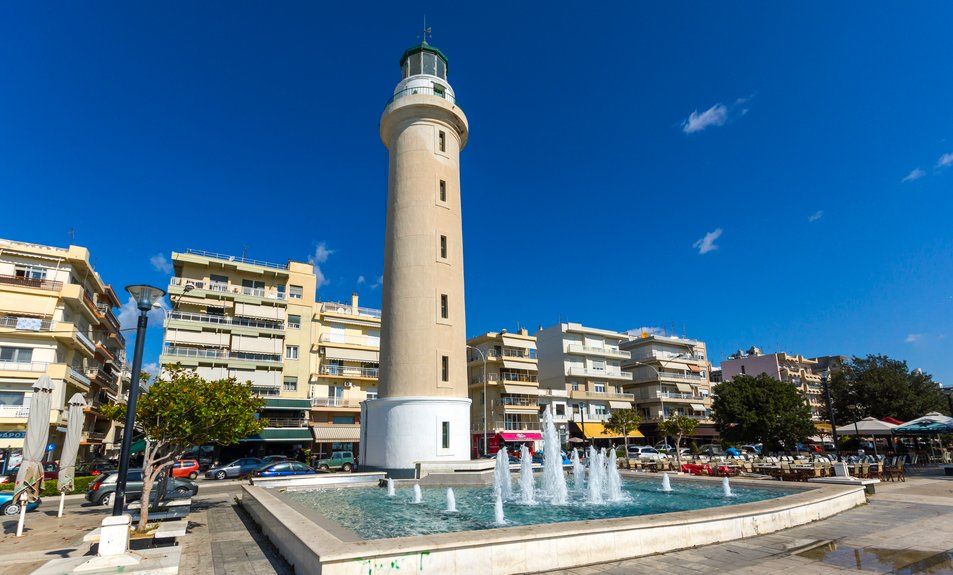
Alexandroupolis boasts a fascinating blend of cultures due to its historical ties to various empires. The city is dotted with Byzantine churches, Ottoman-era relics, and modern Greek architecture. The Lighthouse of Alexandroupolis, a prominent symbol of the city, stands tall on the waterfront, guiding ships since 1880.
Historical Significance
Although Alexandroupolis is a relatively young city, founded in the 19th century, its surrounding areas have a rich historical tapestry. The region was home to ancient Thracian tribes and later became part of the Macedonian, Roman, and Byzantine empires.
The city itself began as a small fishing village known as Dedeağaç during Ottoman rule. In 1920, it was officially renamed Alexandroupolis in honor of King Alexander I of Greece. Since then, it has grown into a modern city while preserving its historical landmarks.
Conclusion
Alexandroupolis is much more than a city on the map; it’s a cultural melting pot, a natural treasure, and a gateway to endless opportunities. Whether you’re exploring its historical sites, indulging in its culinary delights, or simply soaking in the serene coastal vibe, Alexandroupolis offers an unforgettable experience. Its rich heritage and strategic significance make it a jewel of northeastern Greece, welcoming visitors from all over the world.